Licensed Electrician for Safe and Efficient Power Solutions
Selecting a certified electrical expert represents a important choice for residential and commercial properties. Their expertise ensures compliance with local codes, promoting safety and efficiency in electrical systems. Disregarding electrical concerns can cause serious risks, including fires and shocks. Understanding the purpose of a certified electrical expert can illustrate why their expertise are essential. What factors should one consider when selecting the suitable expert for particular situations?
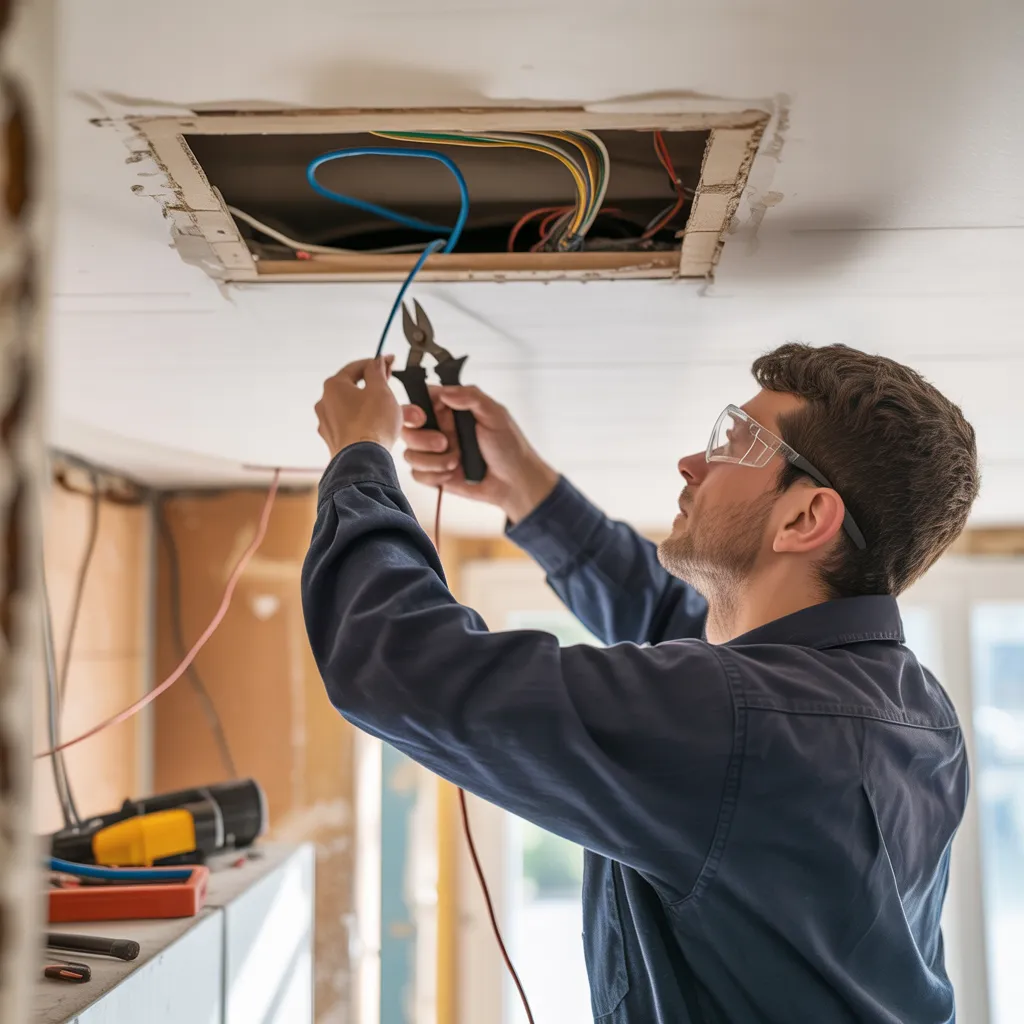
Regular Electric Problems You Must Not Disregard
Many house owners fail to notice typical electrical faults, but addressing these issues promptly is essential for both safe operation and efficiency. Flickering lights often signal a loose bulb or damaged wiring, which can lead to more severe dangers. Similarly, frequent tripped circuit breakers point towards an overloaded system or potential short circuits, both of which require immediate attention. Overheating outlets can pose fire risks, suggesting worn-out wiring or incompatible devices. Homeowners should also be wary of unusual electrical smells, as they may signal heated insulation or other critical faults. Finally, if outlets or switches feel warm to the touch, this can indicate a serious electrical fault. Recognizing these problems early can prevent accidents and costly repairs, ensuring a more protected home environment. By paying close attention to resolving these common electrical problems, homeowners can maintain the efficiency and safety of their electrical systems.
Why Choosing a Licensed Electrician Is Fundamental
Appointing a professional electrical specialist is critical for ensuring compliance with electrical codes, which are fashioned to shield property and lives. Their command not only secures sound installation and upkeep but also accentuates safety in potentially hazardous situations. By appointing a certified practitioner, homeowners can evade costly mistakes and strengthen the endurance of their electrical systems.
Adherence to Power Standards
Guaranteeing observance with electrical codes is key for the security and effectiveness of any electrical equipment. Licensed electricians carry the knowledge necessary to interpret the complex standards that oversight electrical work. These codes are designed to protect individuals and property from electrical hazards, assuring that installations are secure and reliable. Failure to respect these codes can cause serious consequences, including electrical fires, equipment damage, or costly repairs. Moreover, many municipalities require permits for electrical work, which licensed electricians can readily obtain. By selecting a licensed professional, homeowners and businesses can verify that their electrical systems meet all necessary standards, ultimately promoting a more secure environment and boosting the longevity of the installation. Compliance is not simply a legal mandate; it is a important element of competent electrical work.
Expertise And Security Assurance
The abilities of a certified electrical specialist function as a key element in guaranteeing the dependability and security of electrical systems. Their comprehensive training and knowledge allow them to diagnose and fix complex electrical issues, reducing risks stemming from faulty electrical work or substandard installations. Licensed electricians follow rigorous safety standards, substantially lowering the likelihood of accidents or code breaches. Furthermore, they grasp local and state electrical regulations, which ensures code adherence and shields homeowners from potential legal risks. When hiring a certified electrical specialist, people can feel assured that their electrical needs are met with precision, establishing a secure environment. In the end, this commitment to professional expertise produces assurance and long-term savings in upkeep and restoration.
What You Need to Comprehend About Local Electrical Codes
Grasping local electrical codes is essential for promoting safety adherence and regulatory compliance in any electrical work. These codes not only differ by region but also create fundamental safety standards that must be respected. A licensed electrician is highly knowledgeable in these regulations, making their proficiency priceless for any project.
Relevance Of Electrical Requirements
Observance of electrical standards serves as a vital structure for protection and performance in electrical installations. These codes, established by national and local regulatory bodies, ensure that electrical infrastructure are installed and designed to minimize hazards such as electrical fires, shocks, and equipment failures. Compliance with these regulations encourages uniformity in building practices, enabling maintenance and inspections. Moreover, electrical standards are regularly revised to reflect advancements in technology and safety practices, making it vital for electrical professionals to remain current. By following these codes, certified electricians not only safeguard people but also improve the durability and dependability of electrical infrastructure. In summary, the importance of electrical codes cannot be overstated, as they play a pivotal role in safeguarding both property and people.
Local Code Differences Outlined
While electrical codes formulate a foundational standard for safety, jurisdiction-specific differences often express the unique requisites and states of specific communities. These local codes may address factors such as climate, population density, and existing systems. For example, areas prone to severe weather may have stricter guidelines for outdoor installations, while regions with older buildings might call for extra measures for renovation. Additionally, municipal bodies may adopt codes to support energy efficiency or green practices, aligning with community ambitions. Understanding these changes is indispensable for property owners and builders, as adherence guarantees not only safety but also the persistence of electrical systems. Ultimately, engaging with a licensed electrician versed with area codes is imperative for successful project completion.
Compliance And Safety Standards
How can homeowners ensure their electrical installations meet safety standards? Comprehending regional electrical regulations is crucial for confirming compliance and safety. These codes are established to safeguard both buildings and people from electrical dangers. Homeowners should consult with licensed electricians who are knowledgeable about these requirements, as they differ by location and may change over time. Routine checks can help detect possible problems before they become serious problems. Additionally, obtaining the required authorizations before starting any electrical projects is critical, as this ensures that the installation is examined and meets all regional requirements. By staying informed and collaborating with experts, homeowners can ensure their electrical systems are both secure and effective, reducing the chance of mishaps and enhancing overall functionality.
Finding the Best Qualified Electrician for Your Assignment
Finding the right experienced electrical contractor for a project can greatly impact its safety and success. Persons should begin by examining electricians with valid licenses and insurance, ensuring they adhere to local standards. Recommendations from friends, family, or online reviews can provide insights into a contractor's trustworthiness and service quality.
It's critical to assess the electrician's skill level in analogous projects. A proficient electrician may be more adept at performing defined tasks, such as domestic electrical systems or commercial installations. Additionally, collecting numerous proposals can enable in identifying prevailing prices and the spectrum of offerings delivered.
Communication skills are additionally vital; effective electricians must be able to clarify issues clearly and answer any questions. Finally, inspecting warranties on completed work can provide peace of mind, ensuring that any future concerns will be resolved. By carefully weighing these factors, individuals can select an electrician who aligns with their project needs.
Benefits of Regular Inspections by Licensed Electricians
What advantages can regular inspections by licensed electricians provide homeowners and businesses? Routine checks guarantee that electrical systems operate safely and efficiently, minimizing the risk of hazards such as electrical fires or equipment failures. Licensed electricians possess the expertise to detect potential issues before they escalate, allowing proactive maintenance and avoiding costly fixes. Moreover, these inspections help guarantee compliance with local codes and regulations, protecting against legal liabilities.
Additionally, routine evaluations can enhance energy efficiency by detecting outdated or faulty wiring and appliances, eventually lowering energy bills. Homeowners and businesses can also gain from better dependability of electrical systems, reducing downtime and disruption. By committing to routine inspections, property owners can prolong the lifespan of their electrical systems, ensuring long-term performance and safety. Overall, regular inspections by licensed electricians provide peace of mind, understanding that electrical systems are in peak condition.
Grasping the Rates Involved in Retaining an Electrician
Understanding the financial obligations involved in hiring an electrical contractor is important for homeowners and businesses similarly, especially after understanding the importance of regular check-ups. Several factors shape these costs, including the complexity of the assignment, the electrical contractor's experience, and location-based pricing disparities. Typically, electricians charge per-hour rates or predetermined useful guide fees for specific projects. Hourly fees can extend from $50 to $150, contingent on the electrician's proficiency and the job's urgency.
Additionally, materials and permits may contribute to the total costs. For standard work, such as installing fixtures or replacing outlets, expenses can be foreseeable. However, urgent fixes or comprehensive rewiring can substantially raise costs. Homeowners and businesses should also factor in potential long-term savings from engaging certified contractors who ensure work meets safety standards. Overall, understanding these costs can assist with making informed decisions and budgeting effectively for electrical requirements.
Frequently Inquired Questions
What's the Best Way to Verify an Electrician Licensing and Credentials?
To validate an electrician's certifications and credentials, one should reach out to the local licensing board, review state or provincial regulations, and consult online databases to verify their qualifications and any potential disciplinary actions.
What Requirements Should I Consider in a Licensed Electrician?
When choosing a professional electrician, one should look for proper licenses, experience in specific electrical tasks, knowledge of local codes, valid insurance, and strong client ratings to guarantee high standards and consistency in their work.
Is it Possible I Execute Electrical Tasks Myself if I Own Skill?
Skills could be beneficial, but conducting electrical work without proper licensing and permits is generally inadvisable. Local regulations often require authorized specialists for safety, compliance, and reliability, making certain that all work meets necessary standards.
What Protective Measures Ought I Consider During Electrical Projects?
Throughout electrical projects, one must always turn off power, work with insulated tools, wear rubber-soled shoes, and establish proper ventilation. Additionally, employing personal protective equipment and following local codes enhances safety and lowers risks considerably.
How Do I Arrange My Home for an Electrician's Visit?
Arranging for an appointment with an electrician means property owners must tidy up work spaces, guarantee unobstructed entry to electrical panels, gather necessary paperwork, and bring up specific issues or concerns beforehand to facilitate efficient service and communication.